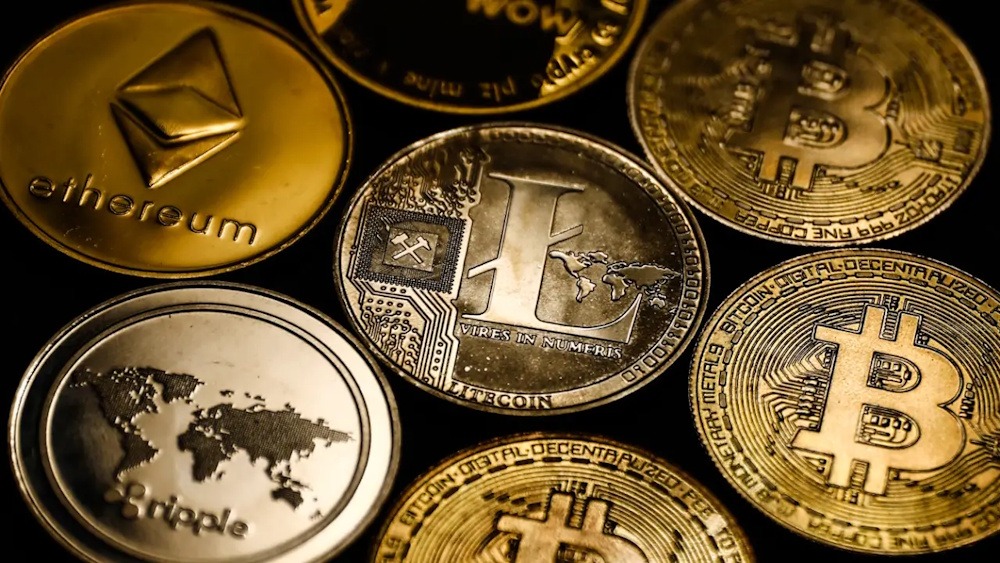
The selling that ensued after U.S. airstrikes on Iran exhibited uneven distribution. Solana and Tron each experienced a decline of over 3% in the last 24 hours, whereas Bitcoin saw a reduction of approximately 1%. This disparity indicates that traders prioritised liquidating their more volatile positions while maintaining their investments in the foundational asset. Bitcoin changed hands near $77,500 during Asian trading hours on Wednesday. Solana retraced to approximately $100, while Tron declined to around 32 cents, marking them as the two weakest major cryptocurrencies of the session. Ether declined by 2% to slightly over $2,414, while XRP experienced a nearly 2% decrease, settling around $1.35. Dogecoin experienced a decline of nearly 2%, settling just above 8 cents, while HYPE saw a reduction of over 1%, now approximately $83. BNB exhibited the most resilience among its peers, experiencing a decline of less than 1% at $687, as reported.
However, each of those names has experienced an increase in trading over the past hour, a movement that coincided with the significant declines observed in Asian equity markets. The macro trigger was oil and the bond market rather than anything intrinsic to crypto. Brent crude ascended past $95 as the strikes rekindled apprehensions regarding shipping through the Strait of Hormuz, while the U.S. 10-year Treasury yield reached 4.81% overnight, marking its peak in approximately three years. Japan’s five-year government bond reached a historic yield, while the 10-year bond climbed to 3% for the first time in thirty years. Meanwhile, Japanese stocks experienced a decline exceeding 2%, while South Korea’s Kospi saw a drop of more than 3%.
Rate expectations are the factors that translate into pressure on cryptocurrency. Traders on the CME FedWatch tool have increased the probability of a rate hike at the Federal Reserve’s September meeting to 66%, a notable rise from approximately 40% just a week prior. This shift follows remarks from Fed Chair Kevin Warsh at Jackson Hole, where he contended that current policy may still lack the necessary restrictiveness to effectively control inflation. Gold slipped to about $4,296 an ounce in a second straight session of losses, which complicates the interpretation that capital is merely shifting from risk assets to hard assets. Analysts had established the condition prior to the strikes, contending that bitcoin ought to consolidate or gradually ascend “unless there is a pullback across all risk assets that drags BTC lower with it.”
LMAX Group market strategist Joel Kruger noted in an email that “the key upside area remains $80,000 through the May high near $82,820.” Friday’s August jobs report will determine if that remains unattainable. Economists anticipate an addition of approximately 55,000 positions following July’s decline of 23,000, with inflation data set to be released on September 11. However, a robust labour report strengthens the argument for a September rate hike and places the high-beta majors at a disadvantage leading up to the Clarity Act vote on September 15 and the Federal Reserve’s decision the following day.